Can You Drink Hibiscus Tea Every Day?

Hibiscus tea has become a popular daily drink thanks to its bold ruby colour, refreshing tart flavour and naturally caffeine-free profile. But because hibiscus is also a powerful botanical, it is worth understanding how much is safe to drink, who should be cautious, and how to enjoy it responsibly as part of your everyday routine.
Safety and Daily Consumption
Hibiscus tea is loved for its deep ruby red colour, naturally tart taste and refreshing versatility. It can be enjoyed hot, chilled over ice, unsweetened, lightly sweetened or blended with fruit and herbs.
But one common question many people ask is:
Can you drink hibiscus tea every day?
For most healthy adults, the answer is yes. Hibiscus tea can be enjoyed daily in moderate amounts as part of a balanced lifestyle. However, because hibiscus is a naturally active botanical, there are a few safety points worth understanding before making it part of your everyday routine.
This guide explains how much hibiscus tea you can drink daily, who should be cautious, and how to enjoy it safely.
What Is Hibiscus Tea?
Hibiscus tea is a herbal infusion made from the dried calyces of the Hibiscus sabdariffa plant. These are the deep red, flower like parts of the plant that are dried and steeped in hot water to create a bold, tangy tea.
Unlike black tea or green tea, hibiscus tea is naturally caffeine-free. This makes it a popular choice for people who want a flavourful drink without caffeine, especially in the afternoon or evening.
Hibiscus tea is also naturally rich in plant compounds, including anthocyanins and other antioxidants. These compounds contribute to its deep red colour and are one of the reasons hibiscus has become such a popular herbal tea around the world.

Can You Drink Hibiscus Tea Every Day?
Yes, most healthy adults can drink hibiscus tea every day when consumed in moderate amounts.
A sensible daily intake is usually one to three cups per day. This amount fits comfortably into a normal tea routine and is similar to the intake used in several hibiscus tea studies.
Daily hibiscus tea can be a refreshing alternative to sugary drinks, fizzy drinks or caffeine-heavy beverages. It is naturally caffeine free, low in calories when unsweetened, and easy to enjoy hot or cold.
That said, more is not always better. Hibiscus is not just a flavouring ingredient. It is a botanical with natural compounds that may influence the body, especially blood pressure. For this reason, very high daily intake or concentrated hibiscus extracts should be approached with more caution.
How Much Hibiscus Tea Is Safe Per Day?
For general daily enjoyment, many adults do well with:
1 cup per day
A gentle starting point, especially if you are new to hibiscus tea.
2 cups per day
A balanced daily routine for many people.
3 cups per day
Still considered a moderate amount for many healthy adults, but best approached gradually.
If you are drinking hibiscus tea for the first time, start with one cup and see how your body responds. Hibiscus has a naturally tart profile and may feel strong for some people, especially when brewed for longer.
A good daily routine could be one cup in the morning or afternoon, and another chilled cup later in the day.
Can You Drink Hibiscus Tea at Night?
Yes, hibiscus tea can be enjoyed at night because it is naturally caffeine-free.
This makes it a useful evening option for people who avoid caffeine after lunch. Its bright, tart flavour can also be refreshing after dinner, especially when served warm with a small amount of honey or chilled as an iced tea.
However, hibiscus has a naturally sharp taste. If you are sensitive to acidic drinks, you may prefer to enjoy it earlier in the day or brew it slightly lighter.
What Are the Benefits of Drinking Hibiscus Tea Daily?
Hibiscus tea is often chosen for its taste first, but many people also appreciate it as part of a wellness-focused routine.
Possible benefits of moderate daily hibiscus tea include:
1. It Is Naturally Caffeine-Free
Hibiscus tea contains no caffeine, making it suitable for people who want to reduce their caffeine intake. It can be enjoyed during the day or evening without the stimulating effect of coffee or traditional tea.
2. It Is Rich in Natural Plant Compounds
The deep red colour of hibiscus comes from natural pigments called anthocyanins. These are plant compounds also found in other red, purple and blue foods.
3. It May Support Healthy Blood Pressure
Hibiscus tea has been studied for its potential effect on blood pressure. Some research suggests that regular hibiscus tea consumption may help support healthy blood pressure, especially in people with elevated readings.
This does not mean hibiscus tea should replace medication or medical care. Anyone with high blood pressure should follow the advice of a healthcare professional.
4. It Is a Better Alternative to Sugary Drinks
Unsweetened hibiscus tea is naturally low in calories and full of flavour. When served cold, it can be a refreshing replacement for sweetened iced teas, soft drinks or fruit juices.
5. It Is Easy to Add to a Daily Routine
Hibiscus tea is simple to prepare and versatile. You can brew it strong and bold, lightly steeped, hot, iced, plain or blended with citrus, ginger, mint or berries.
Who Should Be Careful With Daily Hibiscus Tea?
Although hibiscus tea is suitable for many people, some individuals should be cautious.
1. People With Low Blood Pressure
Hibiscus may help lower blood pressure in some people. If your blood pressure is already low, drinking hibiscus tea every day may make you feel lightheaded, dizzy or weak.
If you often experience low blood pressure symptoms, speak to a healthcare professional before using hibiscus tea daily.
2. People Taking Blood Pressure Medication
If you take medication for high blood pressure, hibiscus tea may have an added effect. This could potentially lower blood pressure too much in some cases.
Do not stop or change your medication because of hibiscus tea. Rather, ask your doctor or pharmacist whether daily hibiscus tea is suitable for you.
3. Pregnant or Breastfeeding Women
Pregnant and breastfeeding women should be cautious with hibiscus tea. Safety data is limited, and daily use is best avoided unless approved by a qualified healthcare professional.
4. People Taking Regular Medication
Hibiscus may interact with certain medications. This includes some medicines used for blood pressure, diabetes and other conditions.
If you take chronic medication, it is always best to check with a doctor or pharmacist before drinking hibiscus tea every day.
5. People With Sensitive Stomachs
Hibiscus tea has a naturally tart, acidic taste. Some people may find strong hibiscus tea a little sharp on the stomach.
If this happens, try brewing it lighter, drinking it with food, or reducing your intake.
Can You Drink Too Much Hibiscus Tea?
Yes, it is possible to overdo it.
Drinking very large amounts of hibiscus tea every day is not recommended. While moderate tea intake is generally well tolerated by many adults, excessive intake may increase the chance of unwanted effects, especially in sensitive individuals.
Possible signs that you may be drinking too much include:
Feeling lightheaded
Feeling unusually tired
Upset stomach
Nausea
Headaches
Feeling weak or dizzy
If you notice any of these symptoms after drinking hibiscus tea, reduce your intake or stop drinking it and seek advice if symptoms continue.
Is Hibiscus Tea Safe for Daily Use Long Term?
For many healthy adults, moderate daily hibiscus tea can be part of a long term routine. The key is moderation.
One to three cups per day is a reasonable daily range for most people. Very strong brews, very high intakes, or concentrated hibiscus extracts should be treated differently from normal tea.
A cup of hibiscus tea is a food-style herbal infusion. A concentrated extract is much stronger and may carry different safety considerations.
Best Way to Drink Hibiscus Tea Every Day
To enjoy hibiscus tea daily, keep it simple.
Use quality whole dried hibiscus. Start with one cup per day. Brew to your preferred strength. Enjoy it hot or chilled. Avoid adding too much sugar. Drink in moderation. Speak to a healthcare professional if you are pregnant, breastfeeding, on medication, or managing a health condition.
How to Brew Hibiscus Tea
Add 1 to 2 teaspoons of dried hibiscus to a cup.
Pour over boiling water.
Steep for 5 to 10 minutes, depending on how strong you like it.
Strain and enjoy hot, or cool it down and serve over ice.
For a softer flavour, steep for less time. For a stronger, deeper tea, steep longer.
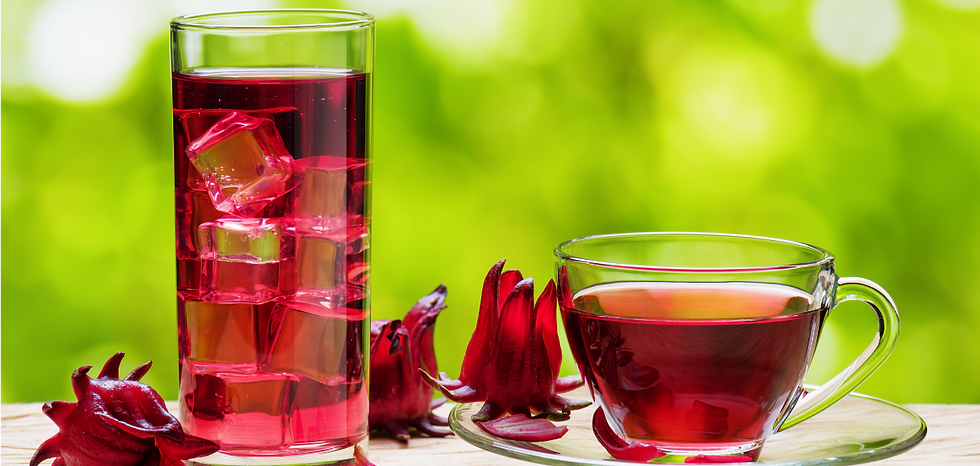
A Simple Daily Hibiscus Tea Routine
Morning: Enjoy a warm cup as a caffeine free start to the day.
Afternoon: Serve chilled over ice as a refreshing drink.
Evening: Enjoy a lighter brew after dinner if you want something caffeine free.
You do not need to drink hibiscus tea all day to enjoy it. A small, consistent daily routine is better than excessive intake.
Final Answer: Can You Drink Hibiscus Tea Every Day?
Yes, most healthy adults can drink hibiscus tea every day in moderate amounts.
A practical daily range is one to three cups per day. It is naturally caffeine free, refreshing, rich in colour and easy to enjoy as part of a balanced lifestyle.
However, hibiscus tea may not be suitable for everyone. People with low blood pressure, those taking blood pressure medication, pregnant or breastfeeding women, and anyone on chronic medication should seek professional advice before drinking hibiscus tea daily.
At BLOOM Hibiscus Tea, we believe hibiscus is best enjoyed simply, respectfully and in moderation. Our whole dried hibiscus blossoms are handpicked, sun-dried and minimally processed to create a naturally vibrant tea with a story rooted in care, quality and community.
Enjoy it hot. Enjoy it chilled. Enjoy it daily, but always listen to your body.

Comments