What Is Hibiscus? Benefits, Uses, and Why This Ancient Flower Is Gaining Popularity

Hibiscus is one of the world's most beautiful and versatile plants. Known for its vibrant crimson flowers and refreshing tart flavour, hibiscus has been enjoyed for centuries as both a traditional herbal remedy and a delicious beverage. Today, interest in hibiscus is growing rapidly as more people discover its impressive nutritional profile, potential health benefits, and naturally caffeine-free nature.
Whether you've encountered hibiscus tea in a café, seen dried hibiscus flowers in a health store, or are simply curious about this striking botanical, this guide will explain everything you need to know about hibiscus.
What Is Hibiscus?
Hibiscus is a flowering plant belonging to the Malvaceae family. While there are hundreds of hibiscus species found throughout tropical and subtropical regions of the world, the variety most commonly used for tea and herbal preparations is Hibiscus sabdariffa.
This species produces deep red calyces, the fleshy outer structures that surround the flower after it blooms. These calyces are harvested, dried, and used to make the ruby-red tea that has become popular across Africa, Asia, the Caribbean, and increasingly throughout Europe and North America.
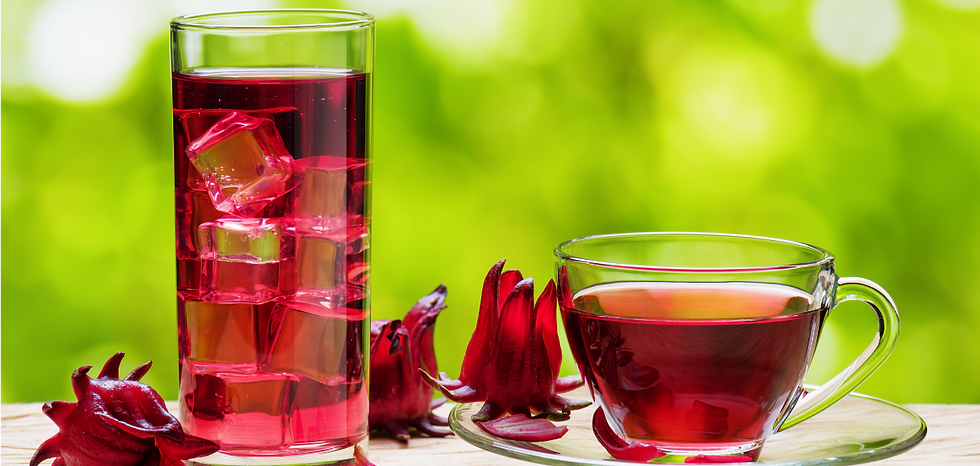
Hibiscus tea is known for its bright crimson colour and pleasantly tart flavour, often compared to cranberries or pomegranate.

A Brief History of Hibiscus
Hibiscus has a long history of traditional use across many cultures.
In Egypt, hibiscus tea, known as karkade, has been consumed for generations and remains a popular beverage served both hot and cold.
Throughout West Africa, hibiscus drinks are enjoyed as refreshing daily beverages and are often prepared for celebrations and gatherings.
In Mexico, hibiscus is known as Jamaica and is used to create a vibrant, tangy drink commonly sold by street vendors and restaurants.
Across many traditional systems of herbal medicine, hibiscus has been valued for its refreshing properties and its role in supporting overall wellness.
Today, hibiscus continues to be appreciated around the world, not only for its taste but also for its impressive concentration of beneficial plant compounds.
What Does Hibiscus Taste Like?
One of the reasons hibiscus has become so popular is its unique flavour profile.
Hibiscus tea offers:
A refreshing tartness similar to cranberries
Light fruity notes
Natural floral undertones
A clean finish without bitterness
Because of its naturally bold flavour, hibiscus can be enjoyed on its own or blended with ingredients such as:
Ginger
Cinnamon
Rosehip
Lemon
Orange peel
Mint
Honey
It is equally enjoyable served hot during colder months or chilled as an iced tea in warmer weather.
Nutritional Compounds Found in Hibiscus
The growing popularity of hibiscus is largely due to its rich concentration of naturally occurring plant compounds.
Hibiscus contains:
Anthocyanins
Anthocyanins are powerful antioxidant pigments responsible for the deep red colour of hibiscus flowers. These compounds help protect plants from environmental stress and are widely studied for their potential health benefits.
Polyphenols
Polyphenols are naturally occurring compounds found in many fruits, vegetables, herbs, and teas. They contribute significantly to hibiscus's antioxidant properties.
Organic Acids
Hibiscus contains natural acids such as citric acid and malic acid, which contribute to its refreshing tart flavour.
Vitamin C
Although amounts vary depending on processing and preparation methods, hibiscus naturally contains vitamin C, an important nutrient involved in immune function and collagen production.
Potential Health Benefits of Hibiscus
Research into hibiscus continues to grow, and scientists have identified several areas where hibiscus may support health when consumed as part of a balanced lifestyle.
Rich in Antioxidants
Perhaps the most well-known benefit of hibiscus is its high antioxidant content.
Antioxidants help neutralize free radicals, unstable molecules that can contribute to oxidative stress within the body. Oxidative stress is associated with aging and various chronic health conditions.
The anthocyanins and polyphenols found in hibiscus are considered particularly potent antioxidants.
May Support Heart Health
Several studies have explored the relationship between hibiscus consumption and cardiovascular health.
Research suggests that hibiscus may support healthy blood pressure levels already within a normal range and may contribute positively to overall heart health when combined with a healthy diet and lifestyle.
As cardiovascular wellness becomes a growing focus worldwide, hibiscus is increasingly being incorporated into heart-conscious nutrition plans.
May Help Support Healthy Cholesterol Levels
Some research indicates that hibiscus may help maintain healthy cholesterol levels already within a normal range.
Scientists believe the antioxidant compounds found in hibiscus may contribute to these effects, although more research continues to be conducted.
Naturally Caffeine Free
Unlike coffee, black tea, green tea, and many energy drinks, hibiscus contains no caffeine.
This makes it an excellent option for people who:
Are sensitive to caffeine
Want an evening beverage
Are reducing their caffeine intake
Prefer herbal alternatives
Many people enjoy hibiscus tea as a refreshing substitute for sugary soft drinks and caffeinated beverages.
May Support Hydration
Because hibiscus tea is naturally caffeine free and highly refreshing, it can be a useful addition to daily hydration habits.
Its vibrant colour and pleasant taste often encourage people to drink more fluids throughout the day.
Why Whole Dried Hibiscus Flowers Matter
When shopping for hibiscus tea, quality matters.
Many commercial hibiscus products contain broken fragments, powder, or lower-grade material. Premium whole dried blossoms offer several advantages.
Better Visual Quality
Whole flowers maintain their natural beauty and vibrant colour, reflecting careful harvesting and processing.
Superior Freshness
Whole blossoms tend to retain their natural oils and beneficial compounds better than heavily fragmented material.
Richer Brewing Experience
Many tea enthusiasts appreciate watching the flowers expand during steeping, creating a more authentic and enjoyable tea ritual.
Less Processing
Whole flowers generally undergo less processing, helping preserve their natural character.
This is why premium hibiscus brands often emphasize the use of whole dried blossoms rather than powdered or heavily broken material.
How to Prepare Hibiscus Tea
Making hibiscus tea is simple and requires only a few ingredients.
Ingredients
1 to 2 tablespoons dried hibiscus flowers
250 to 500 ml hot water
Instructions
Add dried hibiscus flowers to a teapot or infuser.
Pour hot water over the flowers.
Allow to steep for 5 to 10 minutes.
Strain and serve.
For a sweeter flavour, add honey or your preferred natural sweetener.
For iced hibiscus tea:
Brew a stronger batch.
Allow it to cool.
Pour over ice.
Garnish with fresh citrus or mint.

Is Hibiscus Sustainable?
One of the reasons many consumers are drawn to hibiscus is its sustainability potential.
In many regions, hibiscus cultivation supports small-scale farmers and rural communities.
When sourced responsibly, hibiscus production can:
Provide income opportunities for farming communities
Support local agricultural economies
Encourage biodiversity
Promote traditional farming practices
Many premium hibiscus brands also partner with community initiatives that support women farmers and local development projects.
Who Should Avoid Hibiscus?
Hibiscus is generally well tolerated by most healthy adults when consumed in moderation.
However, individuals who are pregnant, taking medication for blood pressure, or managing specific health conditions should consult their healthcare practitioner before regularly consuming large amounts of hibiscus tea.
As with any herbal product, personalized medical advice is always recommended when health concerns exist.
Why Hibiscus Is More Popular Than Ever
Consumers are increasingly looking for products that combine great taste, natural ingredients, and potential wellness benefits.
Hibiscus meets all three criteria.
It offers:
A vibrant natural flavour
Beautiful colour
Powerful antioxidant compounds
Caffeine-free enjoyment
Versatile hot and cold preparation
Traditional heritage and cultural significance
Whether enjoyed as a daily tea, served over ice on a hot day, or incorporated into wellness routines, hibiscus continues to earn its reputation as one of nature's most remarkable botanicals.
Final Thoughts
Hibiscus is far more than just a beautiful flower. It is a centuries-old botanical treasured around the world for its refreshing flavour, vibrant colour, and impressive nutritional profile.
From its rich antioxidant content to its naturally caffeine-free nature, hibiscus offers a simple yet enjoyable way to support a healthy lifestyle while connecting with one of the world's most celebrated herbal traditions.
If you're looking for a refreshing herbal tea that is both delicious and naturally vibrant, premium whole dried hibiscus blossoms are an excellent place to start.

Comments